
Web Scraping Anti-Bot Defense Protocols
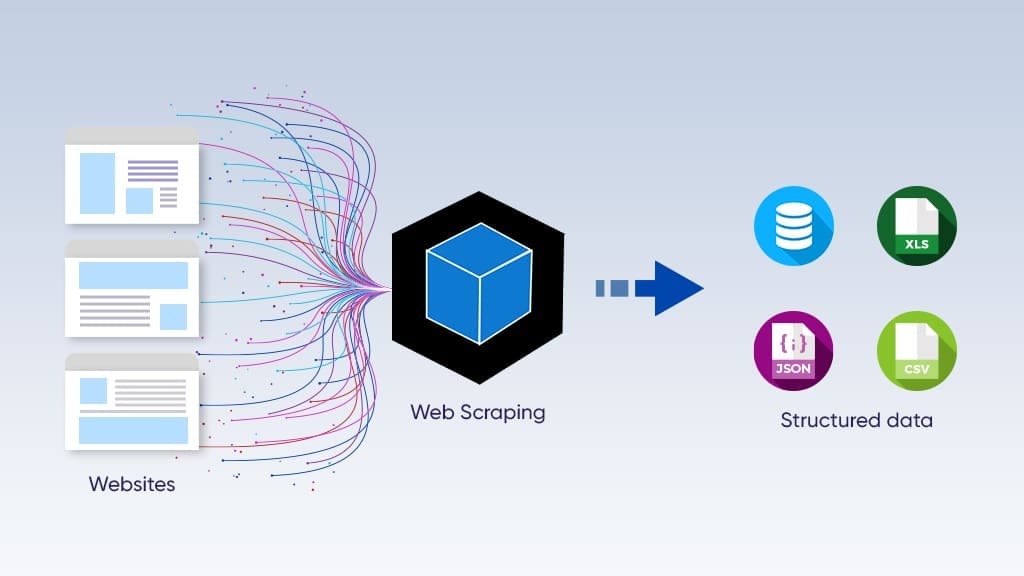
Automated data extraction has become an essential operational component for financial intelligence, e-commerce price monitoring, academic research, and machine learning model training. Organizations rely on automated scrapers to collect competitive metrics, catalog structures, and public market trends in real time. However, target websites actively deploy Web Application Firewalls (WAF) and sophisticated bot management systems to restrict automated data harvesting.
Traditional data gathering relied heavily on rotating IP addresses through proxy pools. While proxy rotation remains necessary, modern security gateways evaluate incoming requests on an architectural level. Anti-bot algorithms inspect browser execution characteristics, runtime rendering behavior, and HTTP header consistency to distinguish human visitors from automated collection frameworks like Puppeteer, Playwright, or Selenium.
Hardware Telemetry and Fingerprint Detection
When an automated instance opens a web page, embedded monitoring scripts query low-level hardware interfaces. The target server measures the Canvas rendering output, WebGL graphics parameters, AudioContext processing latency, installed font manifests, and screen color depths. Standard headless browsers lack authentic rendering pipelines, producing missing parameters or predictable default values that immediately trigger defensive filters.
If a scraping cluster routes traffic through high-quality residential proxies but presents inconsistent hardware signatures, target servers block the session. The platform may return distorted data payloads, present continuous CAPTCHA challenges, or permanently blacklist the connecting IP address, corrupting data integrity across the entire collection pipeline.
Deploying Isolated Environments for Data Extraction
Overcoming anti-bot systems requires replacing generic automation signatures with authentic, fully synchronized client configurations. Integrating comprehensive browser security tools allows data extraction pipelines to run inside authentic browser environments. Software solutions like NOID provide complete hardware footprint replacement, ensuring that Canvas output, graphics driver signatures, and audio parameters match real consumer workstations.
Every extraction profile operates within an isolated sandbox container. Session cookies, local cache files, and extension databases remain strictly compartmentalized. When collection threads query target portals, the platform evaluates each request as an authentic manual visit from an independent physical machine, preventing cross-thread correlation and rate-limiting triggers.
Operational Advantages for Analytics Workflows
Utilizing dedicated multi-profile environments provides concrete technical advantages for large-scale data engineering teams:
- Automatic alignment between proxy exit nodes and local browser timezones, system languages, and WebRTC parameters.
- Persistence of authentic session cookies across multi-step extraction tasks without data leakage.
- Disposable execution modes that automatically purge local cache files and temporary logs upon task completion.
By moving from basic headless scripts to isolated, fingerprint-spoofed browser containers, data engineering teams maintain continuous access to protected web sources while preserving data accuracy.