
How Refinery Partnerships Shape Catalytic Converter Prices
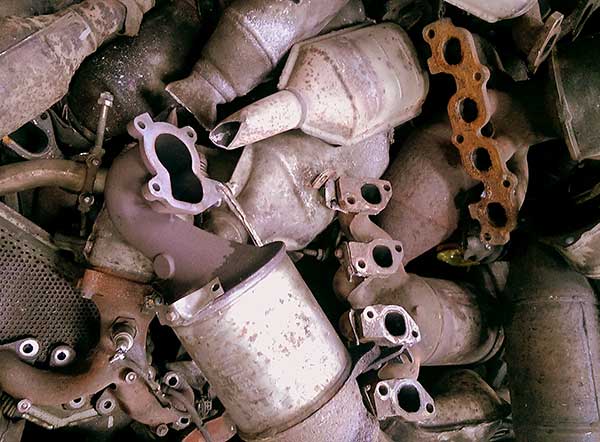
A used catalytic converter may look like an ordinary piece of exhaust hardware, but its value is tied to a complex international supply chain. Inside the unit are small quantities of platinum, palladium, and rhodium—metals traded globally and recovered through specialized refining processes. For scrapyards, automotive businesses, dismantlers, and individual sellers, understanding that supply chain is essential to securing a fair return.
Daily metal quotations matter, but they are only part of the pricing equation. The relationship between a catalytic converter buyer and its refinery can also affect sampling accuracy, processing costs, settlement terms, and the amount ultimately offered to the seller. Knowing how these partnerships work makes it easier to compare buyers intelligently rather than accepting the highest headline quote without context.
From Used Converter to Refined Precious Metal
Catalytic converters contain a ceramic or metallic substrate coated with platinum-group metals. These metals help transform harmful exhaust gases into less harmful emissions. Their concentration varies significantly according to vehicle make, model, engine type, fuel, production year, and the converter’s design.
Once collected, converters typically move through several stages:
- Identification: Serial numbers, physical characteristics, and reference databases are used to classify each unit.
- Processing: Converter shells are opened, and the internal material is removed and prepared.
- Sampling and analysis: A representative sample is tested to determine its platinum, palladium, and rhodium content.
- Refining: Precious metals are separated and purified for reuse in manufacturing.
- Settlement: Payment is calculated using assay results, agreed deductions, recovery rates, and relevant market prices.
Every stage can influence the final return. A strong refinery relationship helps a professional buyer control uncertainty throughout this process.
Why Refinery Access Affects the Price Offered
Better Commercial Terms Can Support Better Offers
Refineries charge for treatment, refining, metal recovery, and related services. Companies that supply consistent volumes and well-prepared material may be able to negotiate more favorable commercial terms. Lower processing costs can leave more value available to share with customers.
Volume alone, however, is not a guarantee of a competitive price. A responsible buyer must also understand the refinery’s fee structure, minimum lot requirements, recovery terms, and payment schedule. Sellers should therefore ask what supports an offer instead of judging it only by the initial number.
Reliable Assays Reduce Pricing Risk
Precious-metal content cannot be determined accurately by weight or appearance alone. Two visually similar converters may contain very different concentrations. If a buyer lacks dependable analytical data, it may protect itself by building a large risk margin into every quotation.
Access to reliable laboratory analysis and historical results reduces that uncertainty. Metalbee, for example, states that it supports converter identification with a database of more than 30,000 chemically analyzed units, laboratory capabilities, advanced chemical methods, and experienced technicians. That combination can help connect each converter with evidence-based valuation rather than broad guesswork.
Faster Settlements Improve Cash Flow
Refining can take time, and metal markets may move while material is being processed. Buyers with established refinery channels and clear settlement procedures are often better positioned to manage timing and provide prompt, predictable payments.
This is particularly important for scrapyards and dismantlers, which need working capital to purchase new inventory and cover operating costs. A slightly higher theoretical payment may be less useful if it arrives weeks later or is subject to poorly explained adjustments. Competitive catalytic converter prices (katalizatoru cenas) should therefore be assessed alongside payment speed, documentation, and certainty.
Market Prices Still Matter—but Timing Is Nuanced
Platinum-group-metal markets can be volatile. Automotive demand, mining output, currency movements, industrial consumption, recycling supply, and geopolitical developments may all influence prices. Rhodium, in particular, has historically experienced dramatic fluctuations because its market is relatively small.
A buyer must decide how and when metal values are fixed. Depending on the transaction model, pricing may be based on the day of sale, a later processing date, or an agreed quotation period. Neither arrangement is automatically better; what matters is whether the method is disclosed clearly.
Before selling a significant batch, ask these practical questions:
- Which market reference is used for platinum, palladium, and rhodium?
- At what point are the metal prices fixed?
- Is the converter valued individually or as part of a processed lot?
- Which refining, treatment, or service deductions apply?
- Is payment based on a database quotation or a final assay?
- How long will evaluation and settlement take?
Transparent answers make it easier to compare offers on an equivalent basis.
What Strong Refinery Partnerships Look Like in Practice
A credible partnership should create measurable benefits rather than serving as a vague marketing claim. Look for evidence of consistent analysis, documented procedures, current market awareness, established quality controls, and traceable settlement calculations. Experienced buyers should also be able to explain why one converter is worth more than another in language a customer can understand.
Strong relationships may also help buyers handle mixed inventories more efficiently. A seller might arrive with common original-equipment converters, less familiar units, damaged shells, or material that requires further analysis. Access to technical expertise and a broad reference database can reduce misclassification, which protects both parties.
Metalbee positions its service around these priorities, combining analytical resources with established refinery partnerships and an emphasis on secure, reliable transactions. For businesses or individuals seeking professional catalytic converter purchasing (katalizatoru uzpirkšana), reviewing the company’s evaluation approach can be a useful step before requesting an offer.
How Sellers Can Improve Their Own Returns
Even the best refinery partnership cannot compensate for poor inventory management. Sellers can improve valuation efficiency by keeping converters intact, recording serial numbers, separating original-equipment units from aftermarket products, and maintaining basic information about the source vehicle where possible.
Avoid removing identifying marks or mixing loose substrate from different units unless the material will be sold under an assay-based arrangement. Clear photographs and readable codes can also speed up preliminary identification. For recurring commercial volumes, organize inventory consistently and ask the buyer whether batch size changes the available pricing method.
It is also wise to compare total net value, not just a price list. One buyer may advertise a high figure but apply later deductions, while another may provide a lower-looking quote that includes processing and faster settlement. Request written terms whenever the volume is substantial.
Choose Evidence Over Promises
Refinery partnerships shape catalytic converter pricing by influencing analytical confidence, processing expenses, metal recovery, market exposure, and settlement speed. For sellers, the lesson is straightforward: the best offer is not merely the largest number mentioned in a conversation. It is the strongest documented net return supported by accurate identification, transparent terms, and dependable payment.
Before releasing valuable material, prepare the relevant converter details and ask the buyer to explain its valuation method. A provider that can connect laboratory data, current market conditions, and reliable refining channels is better equipped to turn an opaque piece of scrap into a clear, defensible transaction. Taking a few minutes to request and review a professional assessment can protect margins today and help build a more dependable recycling partnership for the future.
