
Why Foundation Cracks Should Never Be Ignored by Homeowners
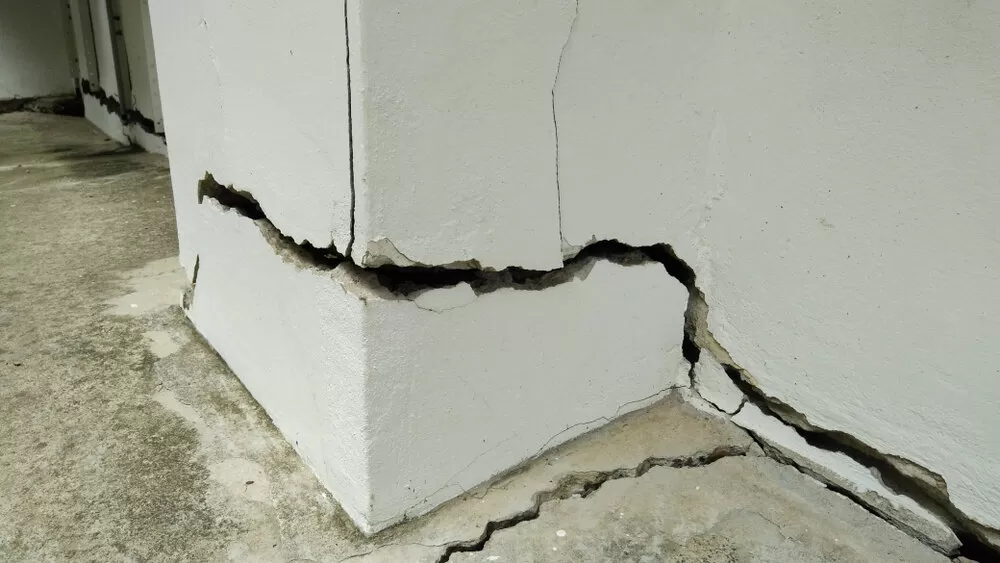
Small cracks in a home’s foundation are easy to overlook. At first glance, they may appear to be harmless cosmetic issues—just a natural part of a building settling over time. However, foundation cracks can signal deeper structural concerns that, if ignored, may lead to costly repairs and long-term damage.
For homeowners, understanding what causes foundation cracks and how to address them early is essential for protecting the integrity and value of a property. While not every crack indicates a serious problem, recognizing warning signs and acting quickly can prevent minor issues from turning into major structural failures.
Understanding Why Foundations Crack
Foundations are designed to support the entire structure of a home, but they are constantly affected by environmental and structural pressures. Over time, these forces can cause the concrete or masonry to shift and crack.
Some of the most common causes include:
- Soil movement – Expanding and contracting soil can push against foundation walls.
- Moisture changes – Excess water or drought conditions can cause soil instability.
- Natural settling – Homes gradually settle into the ground after construction.
- Poor drainage – Water pooling near the foundation can weaken structural materials.
- Temperature fluctuations – Freeze-thaw cycles can expand existing cracks.
While hairline cracks may sometimes be harmless, larger cracks or cracks that continue to grow may indicate more serious structural issues.
Types of Foundation Cracks Homeowners Should Watch For
Not all foundation cracks are created equal. The direction, size, and location of a crack often provide clues about what may be happening beneath the surface.
Vertical Cracks
Vertical cracks often appear as homes settle naturally. These cracks are usually less severe but should still be monitored to ensure they do not widen over time.
Horizontal Cracks
Horizontal cracks can be more concerning because they may indicate pressure from soil pushing against the foundation wall. This type of crack may signal structural stress and requires closer inspection.
Stair-Step Cracks
Often seen in brick or block foundations, stair-step cracks typically follow the mortar lines. These cracks are frequently caused by uneven settling or shifting soil conditions.
Diagonal Cracks
Diagonal cracks often develop due to uneven settlement on one side of the foundation. They can indicate shifting support under the home.
If any crack grows larger than a quarter inch or begins to allow water infiltration, it is generally wise to consult professionals who specialize in structural evaluation and repair.
Early Signs of Foundation Problems
Foundation cracks rarely appear in isolation. In many cases, other warning signs begin to show throughout the home.
Homeowners should watch for the following indicators:
- Doors or windows that stick or won’t close properly
- Uneven or sloping floors
- Gaps around window frames or exterior doors
- Cracks forming in interior drywall
- Water seepage in basements or crawl spaces
When these symptoms appear alongside foundation cracks, they often point to underlying structural movement that should be addressed promptly.
Why Early Repair Matters
Delaying foundation repair can significantly increase the complexity and cost of fixing the issue. What begins as a small crack can eventually lead to water damage, mold growth, structural weakening, and even safety hazards.
Early repairs can provide several benefits:
- Prevent moisture from entering basements or crawl spaces
- Maintain structural stability
- Protect property value
- Avoid extensive reconstruction costs later
- Improve overall home safety
Addressing cracks early is typically far more affordable than waiting until the problem spreads throughout the foundation.
Common Methods Used in Foundation Crack Repair
Professional contractors often use specialized techniques depending on the type and severity of the crack.
Some of the most common repair methods include:
Epoxy Injection
Epoxy injection is used to seal structural cracks by bonding the concrete back together. This technique restores strength while preventing water infiltration.
Polyurethane Injection
Polyurethane foam is often used for waterproofing purposes. It expands within the crack to block water and create a flexible seal.
Carbon Fiber Reinforcement
Carbon fiber straps may be installed to stabilize foundation walls and prevent further movement.
Structural Reinforcement
In severe cases, additional structural supports or underpinning systems may be required to stabilize the foundation.
Choosing the right repair method depends on factors such as soil conditions, crack size, foundation type, and the overall condition of the structure.
Preventing Future Foundation Damage
While not all foundation issues can be prevented, homeowners can take several proactive steps to reduce the risk of cracks forming or worsening.
Key prevention strategies include:
- Maintaining proper drainage around the home
- Keeping gutters and downspouts clear
- Ensuring water is directed away from the foundation
- Managing landscaping and tree roots near the home
- Monitoring cracks regularly for changes
Routine maintenance and periodic inspections can help identify small issues before they evolve into structural problems.
When to Seek Professional Evaluation
Foundation cracks are one of those home issues that often start quietly but can escalate quickly if ignored. Even when cracks appear minor, having a professional evaluate the situation can provide clarity and peace of mind.
Homeowners dealing with structural concerns may want to learn more about solutions such as foundation crack repair Brookfield WI, which can help address both cosmetic and structural foundation issues before they worsen.
Because every home and soil condition is different, a proper inspection is the best way to determine the appropriate repair strategy and ensure long-term stability.
Conclusion
Foundation cracks are more than just cosmetic imperfections—they can be early warning signs of structural movement or moisture problems that threaten the stability of a home. By understanding the causes, recognizing the warning signs, and addressing issues early, homeowners can protect both their property and their investment.
Regular inspections, proper drainage, and timely repairs all play important roles in maintaining a strong foundation. Taking action when cracks first appear can prevent larger structural challenges and help ensure a home remains safe and secure for years to come.