
Starting Your Archery Journey: Tips for Total Beginners
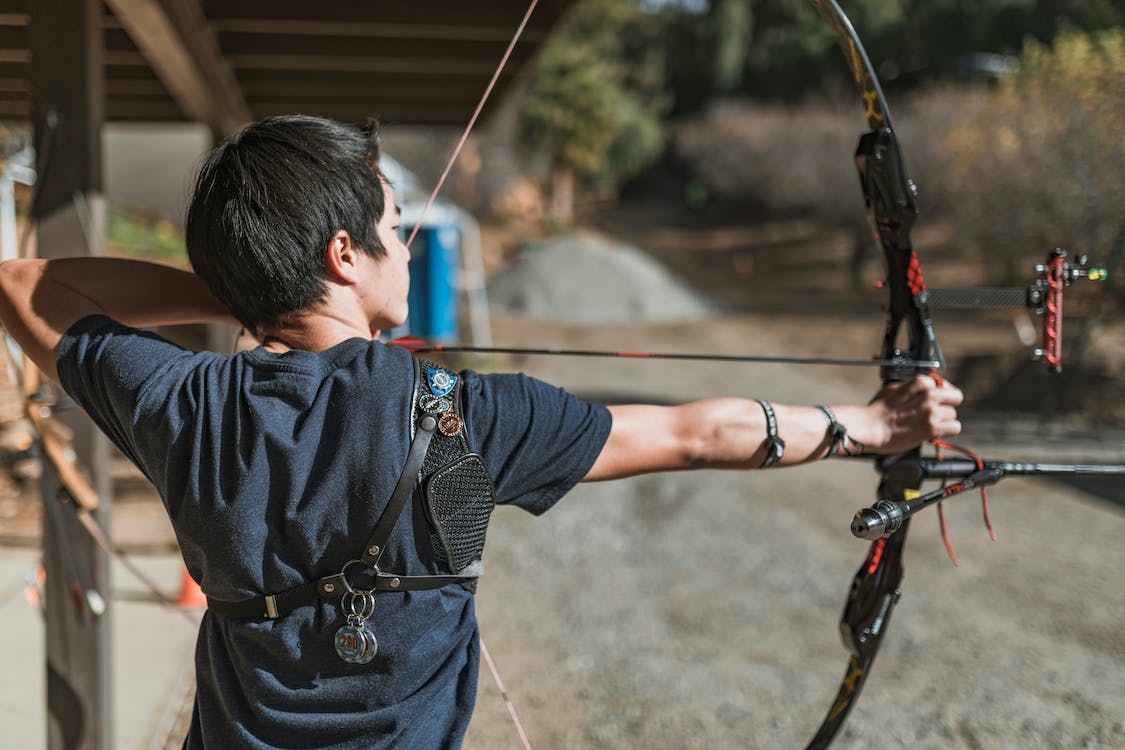
Archery is a sport that blends focus, precision, and patience. Whether you’re drawn to the traditional elegance of a wooden bow or the modern efficiency of a compound bow, starting your archery journey can be both exciting and a little overwhelming. For beginners, understanding the basics and building a strong foundation is key to developing skill and enjoying the sport safely. Here’s a guide to help you take your first steps in the world of archery.
1. Choosing the Right Bow
The first step in archery is selecting a bow that suits your body type, strength, and goals. Beginners often start with a recurve bow because it’s simple to use, versatile, and commonly used in competitions and Olympic-style archery. Compound bows, on the other hand, feature pulleys and cams, which reduce the physical effort required to draw the string and allow for higher accuracy, but they can be more complex for a newcomer.
When choosing your bow, consider the draw length (the distance you pull the string back) and the draw weight (how much force is required to pull the string). Trying different bows at a local archery range can help you find the one that feels most comfortable.
2. Understanding Archery Safety
Safety is the foundation of any sport, and archery is no exception. Always follow these basic safety rules:
- Only shoot arrows at a designated target.
- Never point your bow at a person, even if it isn’t drawn.
- Wear an armguard and finger tab or glove to protect against string slap.
- Inspect your bow, arrows, and other equipment for damage before each session.
Many archery ranges also provide safety briefings for beginners. Taking these seriously not only prevents injuries but also helps build confidence as you practice.
3. Learning Proper Form
Good form is essential for accuracy and consistency in archery. Focus on the following basics:
- Stance: Stand with your feet shoulder-width apart, perpendicular to the target. Balance your weight evenly.
- Grip: Hold the bow lightly with your non-dominant hand; your fingers should be relaxed to avoid torque.
- Anchor Point: Draw the string back to a consistent spot on your face, such as the corner of your mouth or chin.
- Aiming: Use your dominant eye to align the arrow with your target. Keep your focus steady and avoid jerky movements.
Practicing proper form regularly will help you develop muscle memory, which is crucial for accurate shooting.
4. Selecting the Right Arrows
Arrows vary in length, weight, and materials, and choosing the right ones can make a significant difference for beginners. Aluminum or carbon arrows are commonly recommended due to their durability and consistent performance. Pay attention to the spine rating (the arrow’s stiffness), which should match your bow’s draw weight for optimal flight.
Another key detail is the vanes—the small fins at the back of the arrow that stabilize its flight. For beginners, high-quality vanes can make aiming easier and improve accuracy. Some of the best arrow vanes for beginners include brightly colored, flexible options that resist damage and provide consistent stabilization.
5. Practicing Patience and Consistency
Archery is a sport that rewards patience. Unlike many fast-paced activities, progress in archery comes from repetition, focus, and incremental improvement. Start by shooting at short distances and gradually move further away as your accuracy improves.
Keep a record of your practice sessions, noting which techniques worked and which didn’t. This self-reflection allows you to identify patterns and areas that need adjustment. Remember, even small improvements in form, aim, or focus can lead to noticeable gains over time.
6. Finding a Community
Joining an archery club or attending beginner-friendly classes can accelerate your learning. Experienced archers can offer advice on technique, equipment, and safety, while practicing alongside others can make the experience more enjoyable. Online communities and forums are also valuable resources for tips, gear recommendations, and motivation.
7. Setting Realistic Goals
Finally, set achievable goals for your archery journey. These could include hitting the target consistently at a certain distance, improving your score in competitions, or simply enjoying regular practice sessions. Celebrating small milestones keeps you motivated and encourages continued growth.
Starting your archery journey is a rewarding experience that combines physical skill, mental focus, and a touch of adventure. By selecting the right equipment, practicing safe and proper form, and being patient with your progress, you’ll find that archery can offer endless enjoyment and a lifelong skill to refine. Remember, every expert was once a beginner—so draw your bow, aim steady, and enjoy the journey!