
Why You Should Try Slow Gaming
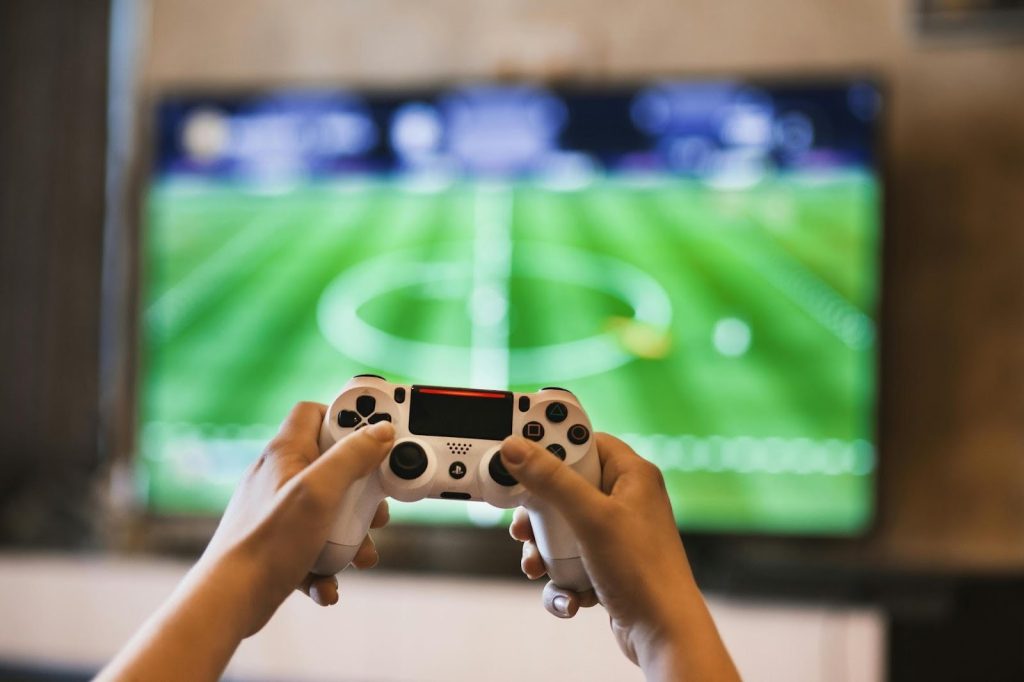
We live in a world that permanently seems to be in fast forward. We are always on the go, and we never seem to slow down and really take things in anymore, right? This is even true of us gamers who seem to power through titles more rapidly than ever before. High-speed shooters, endless notifications, daily challenges, and competitive rankings all demand constant attention and instant reactions, and we give them. That’s why, for so many of us, gaming is starting to feel less like a fun pastime that relaxes and engages us and more like a job that we have to clock into each day.
But, you know what? It doesn’t have to be that way. Slow gaming is a thing and you should try it if you want to a quieter, more intentional way to play that prioritizes presence, reflection, and enjoyment over speed and spectacle. Sound good? Read on to find out more.
What Is Slow Gaming?
Slow gaming is less a genre and more a mindset. It’s the practice of choosing games, and ways of playing them, that emphasize calm, immersion, and personal satisfaction rather than competition, urgency, or constant progression. These games often allow you to play at your own pace, without timers, leaderboards, or penalties for stepping away.
This approach borrows ideas from the broader “slow” movement, which includes slow food and slow living. The underlying philosophy is the same: by doing less, more deliberately, you often gain more enjoyment and meaning. In gaming, that might mean wandering through a virtual world without chasing objectives, replaying familiar games for comfort, or enjoying a single puzzle without worrying about efficiency.
A Response to Burnout Culture
The thing about modern gaming is that a lot of people just do not realize how stressful it can be or how it is making them feel. They think that is should be a fun and relaxing hobby, so they assume that is what it’s doing for them, when really the complete opposite is actually happening. It is only when they step away from it for a while and start to feel better than they work it out. Daily login rewards, seasonal passes, and competitive ranking systems subtly pressure players to keep up or fall behind. Even games that are meant to be fun can start to feel like work.
Slow gaming is good because it offers a refreshing alternative to all of that. It removes the sense of urgency and replaces it with choice. You play when you want, for as long as you want, and you stop without feeling like you’ve missed something. There’s no penalty for taking a break, no anxiety about optimizing every moment, and no fear of falling behind other players.
For anyone feeling mentally drained or overstimulated, this shift can be surprisingly powerful.
Rediscovering Games as a Form of Rest
At its best, gaming can be restorative. Slow gaming leans fully into this idea by embracing games that feel closer to meditation than competition. These might include puzzle games, simulation games, narrative adventures, or even classic card games like Solitaire, where the joy comes from quiet focus rather than adrenaline.
These experiences give your brain space to breathe. Instead of reacting constantly, you’re observing, thinking, and gently engaging. The result is often a calmer mental state, similar to reading a book or taking a long walk. Over time, many players find that slow gaming becomes part of their self-care routine rather than another source of stress.
The Pleasure of Playing Without Pressure
One of the most appealing aspects of slow gaming is the freedom it offers. There’s no “right” way to play and no expectation that you’ll master mechanics quickly or perform at a certain level. You can explore, experiment, and even fail without consequence.
This pressure-free environment can be especially comforting for people who feel intimidated by modern gaming culture or who stepped away from games years ago. Slow gaming invites you back in gently, reminding you that play doesn’t have to be competitive to be meaningful.
It also encourages replaying games simply because you enjoy them, and not because they offer you various kinds of rewards. That sense of familiarity can be deeply soothing for people who have always loved gaming.
Mindfulness Through Play
Mindfulness is really good for your mental health, and you might be surprised to learn that slow gaming can actually be a kind of mindfulness, too. When you’re not rushing to meet objectives or multitasking across multiple systems, you become more aware of small details. You notice the music, the artwork, the pacing, and your own emotional responses.
This kind of focused attention can be grounding. It keeps you in the present moment and offers a break from the constant stream of notifications and information that dominate daily life. For some players, slow gaming becomes a form of active meditation that is engaging enough to hold attention, but calm enough to reduce mental noise.
Accessibility and Inclusivity
Another quiet strength of slow gaming is its accessibility. Many slow games are easy to learn, forgiving, and adaptable to different skill levels. They don’t demand fast reflexes or encyclopedic knowledge of complex systems, making them welcoming to a wide range of players.
This inclusivity matters. Games should be enjoyable at any age and stage of life, and slow gaming makes room for that. Whether you have limited time, physical limitations, or simply want something gentler, slow gaming meets you where you are.
Building a Healthier Relationship With Games
Choosing slow gaming can also help reset your relationship with games as a whole. Instead of playing out of habit or obligation, you become more intentional about what you play and why. You might find yourself playing fewer games overall, but enjoying them more deeply.
This intentionality often leads to better balance. Games stop crowding out other activities and instead fit comfortably alongside them. You play because you want to, not because you feel compelled to.
Time to start slow gaming We think so!