
What Are the Key Safety Features to Look for in a Shower Chair or Stool?
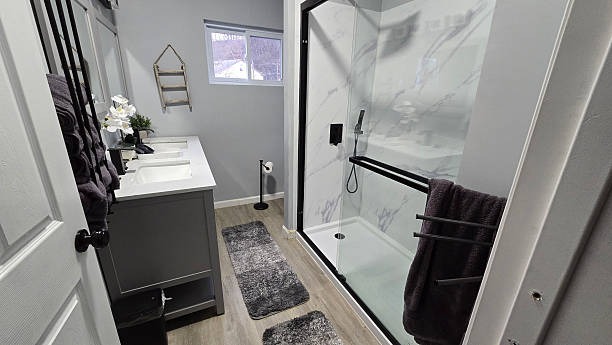
For individuals with limited mobility, balance issues, or recovering from surgery, a shower chair or stool can make bathing safer and more comfortable. However, not all shower chairs are created equal. Choosing one with the right safety features is crucial to prevent slips, falls, and injuries in the bathroom. Understanding what to look for helps ensure both stability and comfort during use.
Sturdy Frame Construction
The first safety feature to consider in a shower chair is the strength and durability of its frame. High-quality chairs are typically made from rust-resistant materials such as aluminium or reinforced plastic. These materials can support a wide range of body weights without bending or breaking. A robust frame ensures that the chair remains stable while in use, reducing the risk of tipping over.
Look for frames with cross-bracing or extra support bars, as these features enhance overall stability. A well-constructed frame is the foundation of a safe shower chair, providing a reliable base for daily use.
Non-Slip Feet and Suction Grips
Another essential feature for safety is non-slip feet. Shower floors can become extremely slippery when wet, so the chair must remain firmly in place. Rubber tips, suction cups, or specially designed grips on the legs of the shower chair help prevent movement during use.
Some models include adjustable rubber feet that can accommodate slightly uneven bathroom floors, further enhancing stability. Ensuring that the chair grips the floor securely reduces the risk of slips, even when the user shifts their weight or leans forward.
Adjustable Height
Height adjustability is a key consideration for a safe and comfortable bathing experience. Users should be able to set the shower chair to a level that allows their feet to rest flat on the floor, which improves balance and reduces strain on knees and hips.
Most modern shower chairs offer multiple height settings, with easy-to-use push-button or pin-lock mechanisms. A chair that is too high or too low can increase the likelihood of tipping or slipping, so adjustable height is a critical safety feature for people of all sizes.
Backrests and Armrests
Backrests and armrests provide additional support and security, especially for individuals with poor balance or limited upper-body strength. A sturdy backrest helps maintain proper posture while sitting, while armrests offer leverage for safely lowering onto or rising from the chair.
Some shower chair models feature flip-up or removable armrests to allow easier transfers from wheelchairs or walking frames. When choosing a chair, consider the user’s specific needs and whether these supports will improve stability and confidence during bathing.
Drainage and Ventilation
While not always thought of as a “safety” feature, effective drainage is important in a shower chair. Chairs with holes or slits in the seat allow water to flow through, preventing pooling that could increase the risk of slipping. Ventilated seats also reduce the likelihood of mould and bacteria buildup, which can create a slippery surface over time.
Selecting a chair with well-designed drainage ensures a hygienic and secure showering environment, adding another layer of safety for daily use.
Weight Capacity
Before purchasing a shower chair, it’s important to check its maximum weight capacity. Exceeding the weight limit can compromise stability and lead to accidents. Heavy-duty models are available for larger users and often feature reinforced frames and wider seats.
Choosing a chair with an appropriate weight rating ensures the frame can handle the user safely, providing peace of mind for both the individual and caregivers.
Ease of Transfer
For users who require assistance or use mobility aids, ease of transfer is another safety consideration. Look for chairs with open fronts, swivel seats, or cut-out designs that facilitate easier entry and exit. Non-slip surfaces on both the seat and transfer area help maintain traction during movement.
A shower chair that supports smooth transfers reduces the risk of falls when entering or leaving the shower, which is one of the most common times bathroom accidents occur.
Conclusion
Selecting a shower chair with the right safety features is critical to ensuring a secure and comfortable bathing experience. Key considerations include a sturdy frame, non-slip feet, adjustable height, supportive backrests and armrests, effective drainage, appropriate weight capacity, and transfer-friendly design.
By paying attention to these features, users can reduce the risk of slips, falls, and injuries, while maintaining independence in the bathroom. A well-chosen shower chair not only improves safety but also enhances confidence and comfort, making daily bathing a safer and more enjoyable experience for individuals with mobility challenges.
Investing in a high-quality, safety-focused shower chair ensures long-term usability and peace of mind, providing a secure foundation for independent hygiene and everyday comfort.