
What Really Determines Hybrid Battery Price in Wholesale Markets?
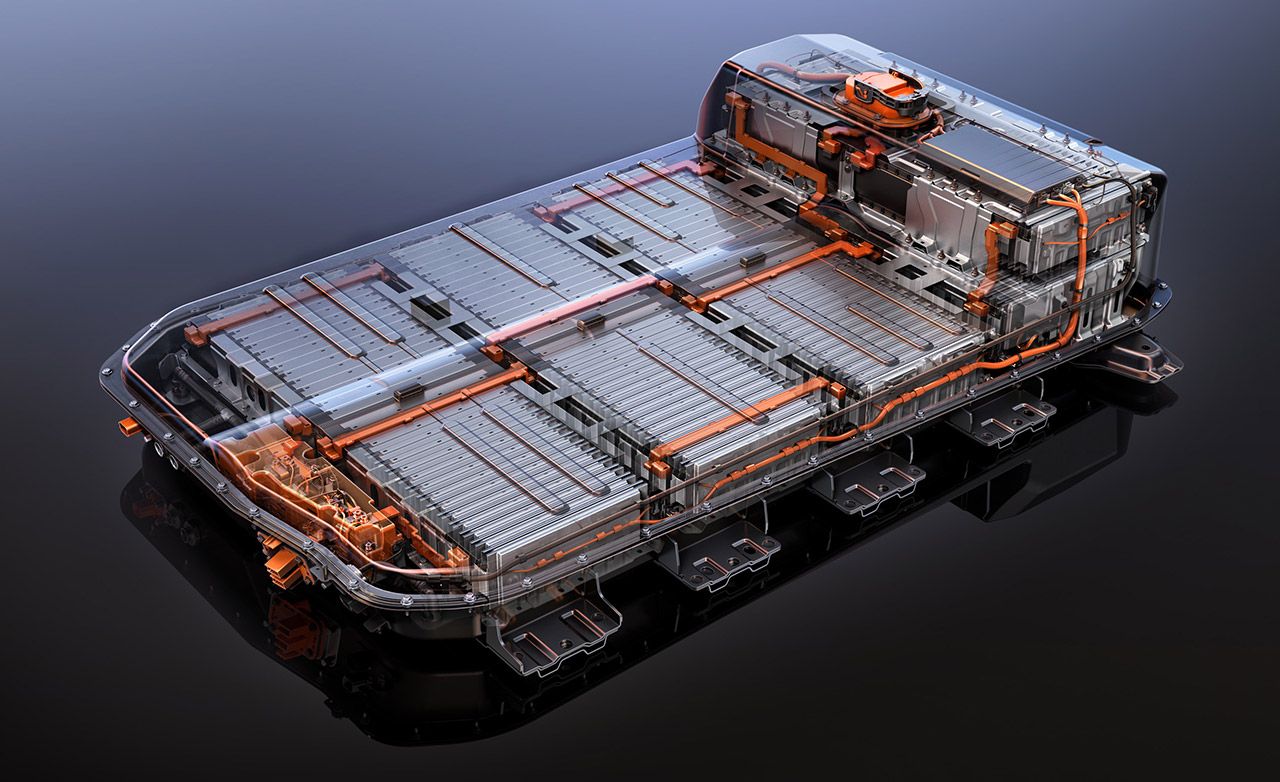
For automotive workshops, parts distributors, importers, resellers, and fleet maintenance teams, comparing wholesale battery offers can be surprisingly difficult. Two batteries may be listed for the same vehicle model yet carry substantially different prices. The difference is rarely explained by the model name alone. Condition, sourcing, testing, available volume, logistics, and supplier reliability all influence the true commercial value of an order.
That is why professional buyers should evaluate more than the amount shown on a quotation. The lowest unit cost can become expensive if batteries arrive with inconsistent performance, incorrect compatibility, inadequate documentation, or unpredictable lead times. Understanding what determines hybrid battery price helps procurement teams compare suppliers more accurately, protect margins, and maintain dependable service for their own customers.
1. Vehicle Model, Generation, and Market Demand
The vehicle application is the starting point for wholesale pricing. Batteries for widely used models such as the Toyota Prius, Toyota Aqua or Yaris, Toyota Camry, and Lexus RX Hybrid tend to move quickly through the supply chain. Strong demand can support larger, more consistent inventories, but it can also place pressure on pricing when a particular generation becomes difficult to source.
Generation matters because batteries that appear similar may not be interchangeable. Pack configuration, voltage requirements, connectors, mounting arrangements, and vehicle compatibility can vary. A precise request should therefore include the vehicle model, model year or generation, required quantity, and voltage requirement. Clear specifications allow the supplier to confirm suitable stock without building uncertainty into the quotation.
2. Source Quality and Vehicle History
A used battery is only as dependable as the sourcing and evaluation process behind it. Wholesale stock may come from dismantlers, dealership-related channels, auctions, or mixed salvage streams. Batteries sourced through established partners—particularly from markets known for organized dismantling networks—can provide buyers with greater consistency.
Japanese sourcing is especially relevant in the hybrid parts trade because it can provide access to batteries removed from comparatively low-mileage vehicles. However, country of origin should never be treated as a guarantee by itself. Buyers should ask how suppliers select sourcing partners, whether incoming inventory is inspected, and how unsuitable units are separated from saleable stock. Traceable, repeatable sourcing usually carries more value than an unexplained low-cost offer.
3. Testing Standards and Verified Condition
Condition is one of the largest variables in used battery pricing. Visual cleanliness does not demonstrate electrical performance, and a battery should not be considered business-ready merely because its housing appears intact. At a minimum, commercial buyers should establish whether stock has undergone voltage testing and a physical condition check before being offered for shipment.
A stronger quality-control process may include inspection at multiple stages, from receipt through order preparation. Hybrid Hive, a wholesale supplier based in Sharjah, states that batteries sourced through trusted Japanese partners are dual-inspected, voltage-tested, and checked for good condition before entering its UAE supply network. This process helps distributors and workshops purchase a hybrid battery based on verified handling procedures rather than appearance or seller assurances alone.
Questions buyers should ask about testing
- Is every unit tested, or is testing performed only on a sample from the batch?
- At which stages are batteries inspected?
- Can the supplier confirm the requested voltage requirement?
- Can buyers inspect or test stock at the warehouse before collection?
- How are batteries that do not meet the supplier’s condition standards handled?
Answers to these questions reveal whether testing is an operational system or simply a marketing phrase.
4. Order Volume and Inventory Depth
Wholesale quantity can affect unit pricing, but volume discounts depend on actual inventory depth. A trader may quote an attractive price for a small batch while lacking the capacity to support repeat orders. For a distributor or fleet operator, this creates a continuity risk: the first order may be economical, but later shortages can interrupt repairs and customer commitments.
Large, organized stock gives suppliers more flexibility when preparing mixed-model orders, recurring purchases, and export consignments. Hybrid Hive reports that it has supplied or processed more than 20,000 batteries and maintains inventory for high-demand hybrid models. Its 4.9 positive review signal also offers buyers a useful indicator of customer confidence, although procurement decisions should still be based on current stock, testing, compatibility, and written quotation details.
5. Freight, Handling, and Order Preparation
The quoted battery cost is not always the landed cost. Packaging, warehouse handling, inland transport, freight method, destination charges, and import requirements may materially change the economics of an order. This is particularly important for international buyers comparing an apparently cheap overseas offer with stock already positioned in a regional trading hub.
A UAE-based warehouse can be commercially useful for buyers serving the Gulf or arranging onward international shipment. Stock availability in Sharjah may shorten the sourcing cycle compared with locating individual units from multiple sellers. Buyers should nevertheless request a clear breakdown showing what is included, when the order can be prepared, and whether the quotation covers warehouse pickup or shipment.
6. Supplier Responsiveness and Fulfillment Risk
Price also reflects the supplier’s ability to execute. Slow stock confirmation, vague quotations, and last-minute substitutions consume staff time and can delay workshop bays, reseller orders, or fleet repairs. Reliable communication therefore has measurable value, even if it does not appear as a separate line item.
A structured purchasing process reduces this risk. Hybrid Hive asks commercial customers to submit the model, generation, quantity, and voltage requirement. Its team checks availability, prepares a transparent quotation, suggests alternatives when necessary, and arranges warehouse collection or shipping after payment confirmation. This approach is designed for B2B buyers that need repeatable procurement rather than an informal one-off transaction.
7. The Difference Between Unit Price and Total Procurement Cost
The best wholesale offer is not necessarily the cheapest battery. Procurement teams should calculate total cost by considering the unit quotation alongside freight, testing confidence, expected consistency, internal inspection time, replacement risk, delays, and lost sales caused by unavailable stock.
For example, a workshop purchasing ten low-cost batteries may save money initially. If several units require additional troubleshooting or cannot be installed in the intended vehicles, labor costs and customer delays can quickly absorb that saving. A slightly higher quote for tested, correctly specified, readily available inventory may deliver a lower total procurement cost and a more predictable margin.
A practical quotation-comparison checklist
- Confirm the exact model, generation, and voltage requirement.
- Ask where the batteries were sourced and how they were selected.
- Verify whether every unit has been inspected and voltage-tested.
- Check the available quantity rather than relying on a general stock claim.
- Clarify packaging, pickup, freight, and export support.
- Request estimated preparation and dispatch timelines.
- Evaluate the supplier’s capacity to fulfill repeat orders.
- Compare landed cost and operational risk, not only unit price.
Used Batteries Can Support Cost Control and Sustainability
Professional reuse also gives hybrid components a productive second life. When batteries are responsibly sourced, tested, and matched to suitable applications, businesses can balance cost-conscious maintenance with circular-economy goals. Sustainability and commercial performance do not have to be competing priorities; the key is selecting stock through a controlled supply process.
Before approving your next bulk purchase, send a complete requirement list and ask for current availability, testing details, quotation terms, and fulfillment options. Hybrid Hive is positioned as a supply partner for distributors, workshops, importers, resellers, and fleet teams rather than casual retail buyers. Its combination of Japanese sourcing, UAE inventory, testing procedures, warehouse pickup, and international shipping support gives commercial buyers a practical basis for comparing value—not merely price—and building a more resilient hybrid parts supply chain.