
Digital Assets vs Physical Assets: Key Differences Explained
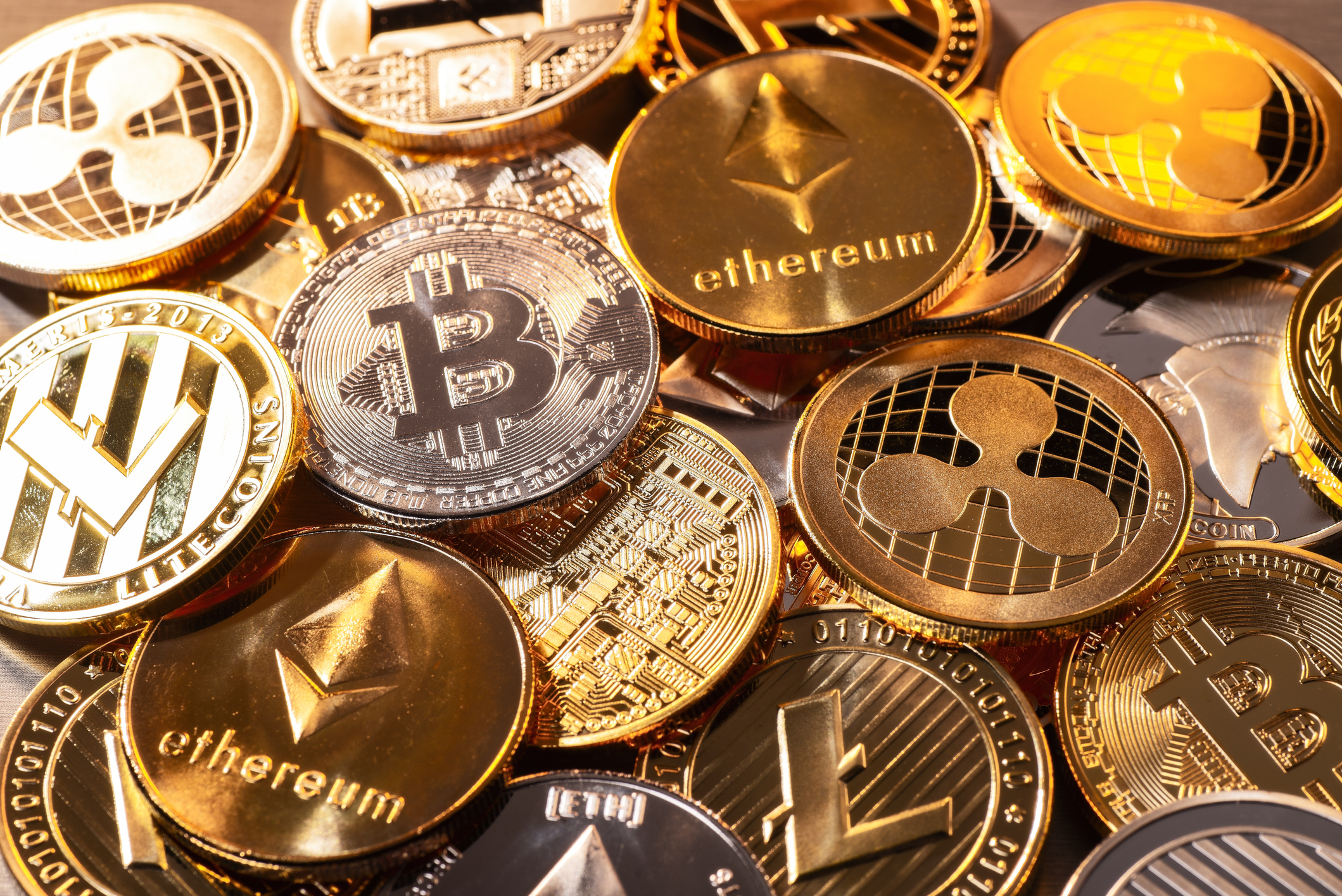
For most of financial history, wealth was represented by physical or clearly paper-based instruments: gold bars, property deeds, printed share certificates. Digital assets represent a genuinely different paradigm, and understanding how they compare to physical assets helps clarify both their advantages and their limitations.
Ownership and Proof
With a physical asset like gold or real estate, ownership is typically established through physical possession combined with legal documentation, often recorded in centralized government registries. Digital assets, by contrast, often establish ownership through cryptographic proof recorded on a blockchain, which can be verified independently without relying on a single central registry.
Storage and Transport
Physical Assets
Storing physical assets securely often requires dedicated infrastructure, such as vaults or safe deposit boxes, and transporting them across borders can involve significant logistical and legal complexity.
Digital Assets
Digital assets can typically be transferred across the globe in minutes, without the physical logistics involved in moving something like gold bullion, though this convenience comes with its own distinct security considerations around private key management.
Divisibility Differences
Physical assets like real estate are often difficult to divide into smaller units without losing value or practicality, whereas many digital assets can be divided into extremely small fractional units, allowing for more flexible investment sizing.
Durability and Physical Risk
Physical assets face risks like fire, theft, or natural disaster that can damage or destroy them outright. Digital assets face a different category of risk, centered around cybersecurity threats and the permanent loss of access if private keys are mismanaged, rather than physical deterioration.
Liquidity Considerations
Certain digital assets can be bought or sold almost instantly on active markets, offering a level of liquidity that many physical assets, particularly real estate, simply cannot match. However, liquidity varies considerably across different digital assets, and some can be just as difficult to sell quickly as an illiquid physical asset.
Valuation Approaches
Physical assets often benefit from decades or even centuries of established valuation methodology, particularly for assets like real estate or precious metals. Newer categories of digital assets sometimes lack this same depth of established valuation history, which can make pricing more subjective and more volatile.
Combining Both in a Portfolio
Rather than viewing digital assets and physical assets as competing choices, many investors find value in holding both, using each to complement the other’s strengths and weaknesses. Reviewing how a regulated digital assets platform structures account access and custody can be a useful step for investors looking to add digital exposure alongside more traditional physical holdings.
Frequently Asked Questions
Which is generally more liquid, digital assets or physical assets? Digital assets are often more liquid on active markets, though this varies significantly depending on the specific asset and the depth of its trading market.
Do digital assets require the same kind of insurance as physical assets? The concept differs; rather than traditional insurance policies, digital asset security relies more heavily on custody practices, though some platforms do offer specific insurance coverage for certain holdings.
Can digital assets be inherited in the same way as physical property? Yes, though the process requires careful advance planning around private key access, since without proper documentation, heirs may be unable to access digital assets after the original holder’s passing.
Conclusion
Digital assets and physical assets each carry distinct advantages and limitations, shaped largely by the fundamental difference between owning something tangible and owning something recorded cryptographically. Understanding these differences allows investors to make more deliberate decisions about how each type of asset fits into their broader financial strategy.