
Hybrid Solar Inverter Complete Guide: How It Works, Benefits & Best Brands in 2026
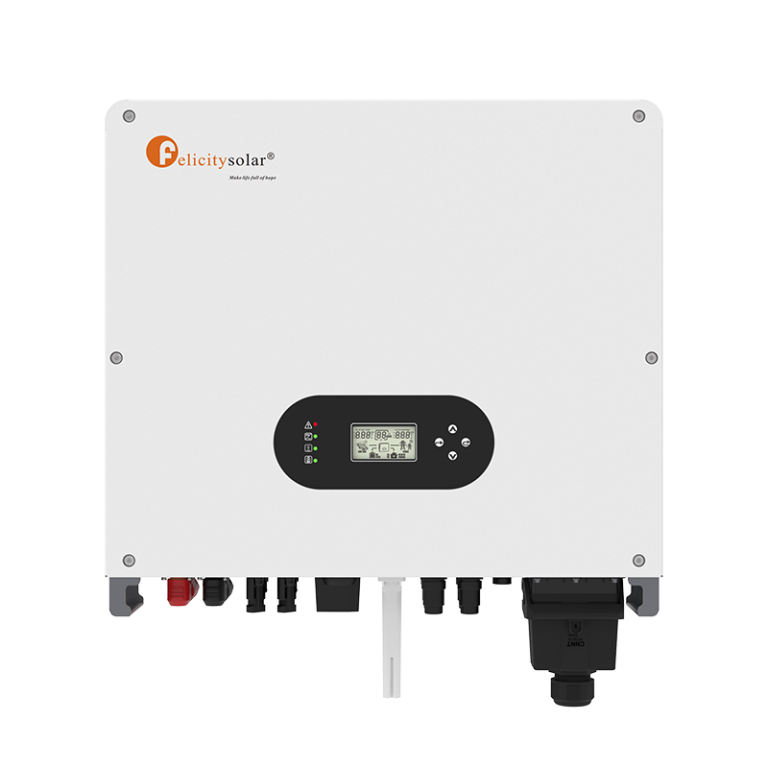
There is a quiet revolution happening on rooftops around the world. Homeowners and businesses are no longer satisfied with simply generating solar power. They want to store it, control it, and use it on their own terms. That is exactly what a hybrid solar inverter makes possible.
If you have been researching solar energy systems and keep coming across the term hybrid inverter, this guide will give you everything you need to understand it clearly, confidently, and without confusion.
What Is a Hybrid Solar Inverter?
A hybrid solar inverter is the brain of a modern solar energy system. Unlike a standard solar inverter that simply converts DC power from solar panels into AC power for your home, a hybrid inverter does much more. It manages energy from three sources at the same time: your solar panels, your battery storage, and the utility grid.
Think of it as a smart energy traffic controller. It decides in real time where your power comes from, where it goes, and how to store what is left over. When the sun is shining, it powers your home and charges your batteries. When clouds roll in or night falls, it seamlessly switches to battery power. If both solar and batteries run low, it pulls from the grid. All of this happens automatically, without any manual switching.
This is what separates hybrid inverters from older on-grid or hybrid inverters. They give you the best of all worlds: grid connectivity, battery backup, and solar generation working together intelligently.
How Does a Hybrid Solar Inverter Work?
Understanding the working mechanism helps you appreciate the value it brings to your energy system.
During daylight hours, your solar panels generate DC electricity. The hybrid inverter converts this into AC electricity and prioritises powering your home appliances first. Any surplus energy is directed to charge your connected battery bank. Once the batteries are fully charged, excess power can be exported to the grid, earning you credits in net metering programs where available.
At night or during low sunlight periods, the inverter automatically draws power from the batteries. When battery levels drop below a set threshold, the inverter switches to a grid supply to protect battery health and ensure uninterrupted power.
During a grid outage, a hybrid inverter with backup capability isolates your home from the grid and runs entirely on solar and battery power. This is called islanding mode, and it is one of the most valued features for areas with frequent power cuts.
Hybrid vs Standard vs hybrid Inverter
| Feature | Hybrid Inverter | Standard On-Grid | hybrid Inverter |
| Battery Storage Support | Yes | No | Yes |
| Grid Connection | Yes | Yes | No |
| Backup During Outage | Yes | No | Yes |
| Net Metering Support | Yes | Yes | No |
| Best For | Homes and businesses | Grid-stable areas | Remote locations |
| Cost Level | Moderate to High | Low | Moderate |
| Energy Independence | High | Low | Complete |
Key Benefits of a Hybrid Solar Inverter
Energy Independence That Actually Works
You are no longer entirely dependent on your utility company. With a hybrid inverter and battery storage, you control when you use grid power and when you do not. In countries with rising electricity tariffs, this translates directly into lower bills and stronger financial protection against future price hikes.
Uninterrupted Power Supply
For households and businesses in regions with unreliable grid supply, a hybrid inverter is a game-changer. The transition from grid to battery during an outage is so fast that it is virtually unnoticeable. Your refrigerator, lights, internet router, and critical devices keep running without interruption.
Smarter Energy Management
Modern hybrid inverters come with intelligent energy management software. You can monitor your solar generation, battery status, and grid consumption in real time through a smartphone app. Some advanced models use artificial intelligence to learn your usage patterns and optimise energy flow automatically.
Maximised Return on Solar Investment
Standard on-grid systems waste surplus solar energy when your home cannot consume it all. A hybrid inverter stores that surplus in batteries for later use, meaning you extract more value from every unit of solar energy your panels generate.
Future-Ready Design
As battery technology improves and electricity prices rise, your hybrid inverter system grows with you. You can add more battery capacity later without replacing the inverter, making it a forward-thinking investment.
What to Look for Before Buying
Before buying a hybrid solar inverter, check the power rating to match your home’s demand and ensure it supports modern batteries like Lithium or LiFePO4. Look for high efficiency (at least 95%) and backup capability for power outages. A monitoring app, strong warranty (5–10 years), proper certifications (IEC, CE, UL), and reliable local support are also important for long-term performance and peace of mind.
Best Hybrid Solar Inverter Brands in 2026
The hybrid inverter market in 2026 features several top-performing brands. SolarEdge and Fronius lead in premium quality and advanced features. Growatt and Goodwe offer budget-friendly options with solid performance. Huawei FusionSolar excels in AI-driven energy management for large systems, while SMA is known for durability and grid stability. Sungrow delivers high efficiency across various system sizes, and Victron Energy is ideal for hybrid and flexible setups.
Typical System Cost in 2026
The cost of a hybrid solar system varies depending on system size, battery capacity, and region. For a small home, a 3 kW system with a 5 kWh battery typically costs between $2,500 and $4,000. A medium-sized home may require a 5 kW system with a 10 kWh battery, which generally ranges from $4,500 to $7,000.
For larger homes or small businesses, a 10 kW system paired with a 20 kWh battery can cost anywhere from $8,000 to $14,000. Commercial setups, starting from 20 kW and above, usually begin at $18,000 or more, depending on complexity and scale.
It’s important to note that these prices typically do not include installation costs, which can vary significantly based on location, labor, and system design.
Final Thoughts
A hybrid solar inverter is no longer a luxury. In 2026, it is the intelligent foundation of any serious solar energy system. Whether you are a homeowner trying to cut electricity bills, a business protecting against outages, or someone simply wanting more control over your energy, a hybrid inverter delivers the flexibility, reliability, and intelligence to make it happen.
Choose a reputable brand, size your system correctly, and work with a certified installer. The investment you make today will pay dividends in energy savings and peace of mind for the next decade and beyond.