
Content Protection in the Streaming Era: Understanding PlayReady DRM
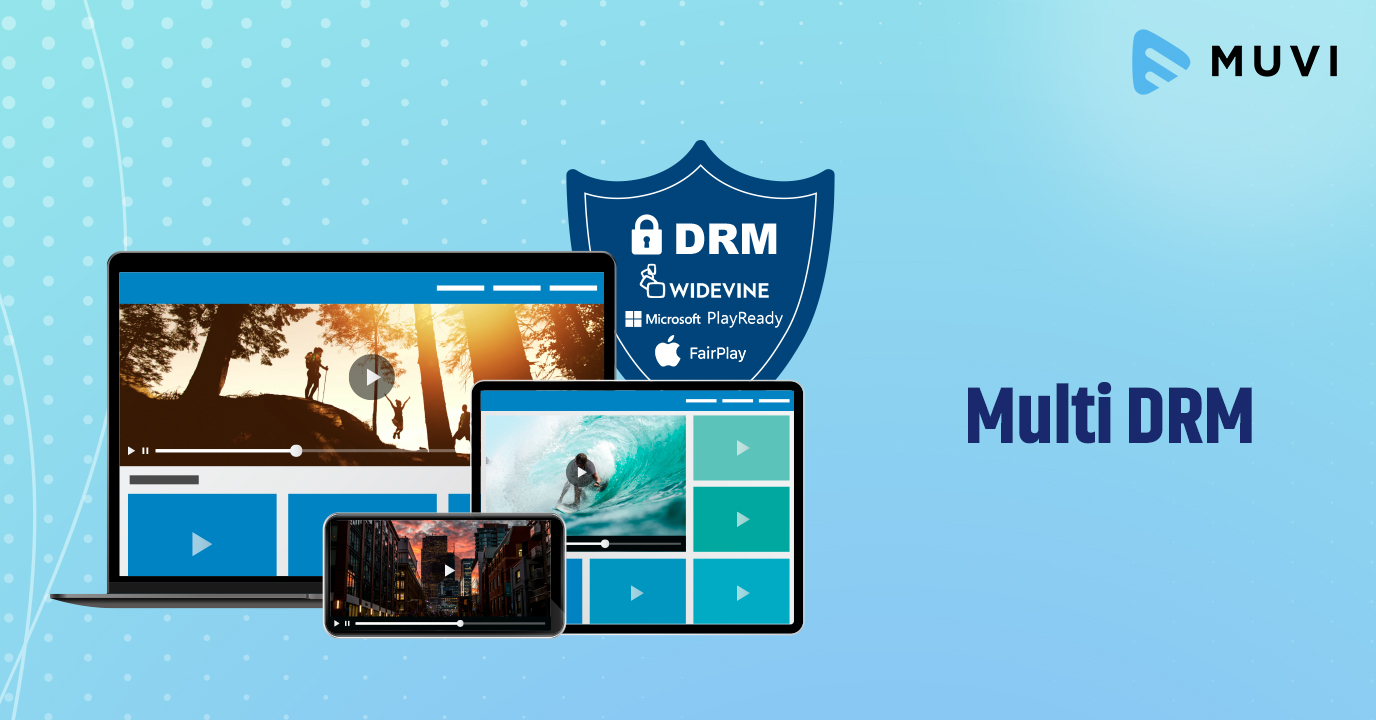
The rapid rise of streaming platforms has transformed how audiences consume content, making entertainment more accessible than ever before. From movies and TV shows to live events and educational media, digital distribution has created immense opportunities for content creators and businesses. However, this convenience also comes with challenges, particularly around protecting intellectual property and preventing unauthorized access or piracy.
In this evolving landscape, technologies like PlayReady DRM have become essential for securing digital assets. By enabling controlled access and encryption, such solutions ensure that content is delivered safely to authorized users. As streaming continues to grow globally, implementing robust protection systems is no longer optional; it is a necessity for maintaining trust, revenue, and content integrity.
How Modern Streaming Platforms Leverage PlayReady DRM for Secure Content Delivery
Streaming services rely heavily on advanced protection systems to ensure secure content delivery. PlayReady DRM plays a vital role in maintaining control, preventing piracy, and enhancing user trust across platforms.
1. End-to-End Content Encryption
Encryption ensures that content remains secure from the moment it is uploaded to the platform until it reaches the end user. This prevents unauthorized access during transmission. Advanced encryption protocols protect high-value media assets, ensuring that only licensed users can decrypt and view the content. This is particularly important for premium video services that handle sensitive and exclusive content.
2. Secure License Management
License management is a critical component of DRM systems. It defines how and when users can access content. With structured licensing, streaming platforms can control playback duration, device compatibility, and user permissions. This ensures that content usage aligns with business models, whether subscription-based, rental, or purchase.
3. Multi-Device Compatibility
Modern users access content across multiple devices, including smartphones, tablets, and smart TVs. DRM systems ensure seamless compatibility while maintaining security standards. This flexibility enhances user experience without compromising protection, making it easier for platforms to cater to diverse audiences.
4. Protection Against Piracy
Piracy remains one of the biggest challenges in digital media. DRM technologies help mitigate this risk by restricting unauthorized copying and sharing. By implementing strong protection measures, platforms can safeguard their content and reduce revenue losses caused by illegal distribution.
5. Scalable Security Solutions
As streaming platforms grow, their security needs evolve. DRM systems provide scalable solutions that adapt to increasing user bases and content libraries. This ensures consistent protection regardless of platform size or complexity.
6. Enhanced User Trust
Secure platforms build trust among users by ensuring that their data and viewing experience are protected. Reliable DRM systems contribute to a safe and seamless environment, encouraging long-term engagement and loyalty.
The Role of Advanced DRM Technologies in Shaping the Future of Digital Streaming
As digital consumption continues to expand, advanced DRM technologies are shaping the future of streaming. These innovations ensure both security and accessibility for users worldwide.
1. Adaptive Streaming Security
Adaptive streaming adjusts video quality based on network conditions. DRM systems ensure that security remains intact across all quality levels, preventing vulnerabilities during transitions.
2. Integration with Cloud Platforms
Cloud-based streaming solutions require robust protection. DRM systems integrate seamlessly with cloud infrastructures, ensuring secure storage and distribution of content.
3. Real-Time Monitoring and Analytics
Modern DRM solutions provide insights into content usage and potential security threats. This data helps platforms identify vulnerabilities and improve their protection strategies.
4. Support for Diverse Business Models
DRM systems enable various monetization strategies, including subscriptions, pay-per-view, and ad-supported models. This flexibility allows platforms to maximize revenue while maintaining security.
5. Compliance with Industry Standards
Adhering to global security standards is essential for streaming platforms. DRM technologies ensure compliance, enhancing credibility and trust.
6. Continuous Innovation in Security
As threats evolve, DRM systems continue to innovate. Regular updates and advancements ensure that platforms stay ahead of potential risks.
Key Components and Benefits of Implementing PlayReady DRM Solutions
Understanding the core components of PlayReady DRM helps businesses make informed decisions about content protection strategies. These elements work together to deliver secure and efficient streaming experiences.
1. Content Encryption Mechanisms
Encryption forms the backbone of DRM systems, ensuring that content remains inaccessible without proper authorization. Advanced algorithms protect media files, making it nearly impossible for unauthorized users to access or distribute them.
2. License Server Integration
License servers manage access permissions and enforce usage policies. They ensure that only authorized users can access content, maintaining control over distribution and consumption.
3. Playback Control Features
Playback controls allow platforms to define how content is consumed. This includes restrictions on copying, sharing, and recording, ensuring compliance with licensing agreements.
4. Device Authentication
Device authentication ensures that content is accessed only on approved devices. This adds an additional layer of security, preventing unauthorized usage.
5. Offline Viewing Support
DRM systems enable secure offline viewing by encrypting downloaded content. This ensures that users can access content without compromising security.
6. Cost Efficiency and ROI
Implementing DRM solutions helps reduce losses caused by piracy, improving overall return on investment. It ensures that content creators receive fair compensation for their work.
Comparing DRM Features for Streaming Platforms
Choosing the right DRM solution requires understanding key features and their impact on content security and user experience.
| Feature | Importance of Streaming Platforms | Benefit to Users | Business Impact |
| Content Encryption | Protects media during delivery | Secure viewing | Reduces piracy |
| License Management | Controls access permissions | Flexible usage | Supports monetization |
| Multi-Device Support | Ensures compatibility | Seamless access | Expands audience reach |
| Offline Viewing | Enables secure downloads | Convenience | Improves retention |
| Analytics & Monitoring | Tracks usage and threats | Better experience | Enhances decision-making |
| Cloud Integration | Supports scalable delivery | Faster access | Reduces infrastructure costs |
Final Thoughts
As the streaming industry continues to evolve, protecting digital content has become more critical than ever. Robust DRM solutions play a key role in ensuring that content is delivered securely while maintaining a seamless user experience. By implementing advanced systems, businesses can safeguard their assets, build user trust, and sustain long-term growth in an increasingly competitive market.
For organizations seeking reliable and innovative solutions, Doverunner offers comprehensive expertise in implementing PlayReady DRM technologies. With a focus on security, scalability, and performance, they help businesses protect their digital content effectively while delivering high-quality streaming experiences. By choosing them, companies can confidently navigate the complexities of content protection and stay ahead in the digital era.