
How to Retire Early
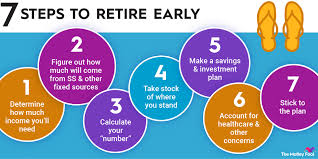
The dream of stepping away from the 9-to-5 well before the traditional retirement age is no longer just a fantasy for the ultra-wealthy. Driven by the FIRE (Financial Independence, Retire Early) movement, a growing number of UK professionals are looking for ways to reclaim their time and retire in their 50s or even 40s.
However, retiring early isn’t simply about having a large savings account; it’s about meticulous planning and long-term discipline. If you’re looking to hang up your hat early, here are some helpful suggestions for navigating the path to financial freedom in early retirement.
The 25x Rule
Most financial experts suggest the 25x rule. This means that to retire safely, you need a portfolio worth 25 times your annual expected expenses. For example, if you plan to live on £40,000 a year, you should aim for a capital pot of approximately £1 million.
This calculation assumes a safe withdrawal rate of 4%, meaning you can take out 4% of your portfolio each year over a 30-year period, without running out of money. For early retirees, who are likely to need their money to last 40 or 50 years, an even more conservative withdrawal rate might be necessary.
Strategic Early Retirement Planning
While standard retirement planning focuses on building a pension pot for your late 60s, early retirement requires a much more complex strategy. This is because most private pensions in the UK are inaccessible until age 55 (rising to 57 in 2028), and the State Pension doesn’t kick in until age 67.
Probably the most critical element of early retirement planning for those under 55 is bridging the pension gap. If you retire at 50, you have at least a seven-year period where you cannot touch your main retirement funds. Bridging this gap takes substantial strategic planning, and should involve:
- Maximising ISAs: Stocks and Shares ISAs are essential because they are tax-free and, crucially, the funds can be accessed at any age. They act as the primary vehicle to fund the years between your retirement date and your pension eligibility date
- General Investment Accounts (GIAs): Once ISA limits are reached, GIAs can hold additional capital, though these are subject to Capital Gains Tax
- Cash Buffers: Keeping 2-3 years of living expenses in high-yield cash accounts can prevent you from having to sell stocks during a market downturn
Radical Budgeting
To retire early, the percentage of your take-home pay that you invest is more important than your actual income. While the average person might save 5% to 10% of their monthly income, prospective early retirees often aim for 30%, 50%, or even 70%.
This requires aggressively budgeting and cutting lifestyle creep (the tendency to spend more as you earn more) and maximising your income through career progression or side hustles. Every pound saved today isn’t just a pound for tomorrow; it is a pound that is working and compounding in the market.
Professional Advice
The stakes are significantly higher when retiring early, so a mistake in inflation calculations or an unexpected tax bill can derail a plan that needs to span half a century. Because early retirement is a phased journey, it must be flexible. For example, your spending might be high in your active 50s, lower in your 70s, and higher again if care is needed in your 90s.
Consulting an Independent Financial Adviser (IFA) can help refine these variables. They can provide cash-flow modelling to stress-test your portfolio against different economic scenarios, ensuring that your dream of early retirement doesn’t turn into a financial nightmare later in life.
Retiring early is a marathon of discipline, but with a clear and robust strategy to bridge the pension gap, the exit door from the corporate world may be closer than you think.